
Discovering the Role of Service Dogs in PTSD Support
Living with PTSD can feel overwhelming. The constant anxiety, flashbacks, and emotional struggles make daily life a challenge. But there is hope! Service dogs have become a powerful support tool for many who face these difficulties. They offer comfort, safety, and companionship that can transform lives. Today, I want to share what I’ve learned about the incredible role of service dogs in PTSD support.
Understanding PTSD Support with Service Dogs
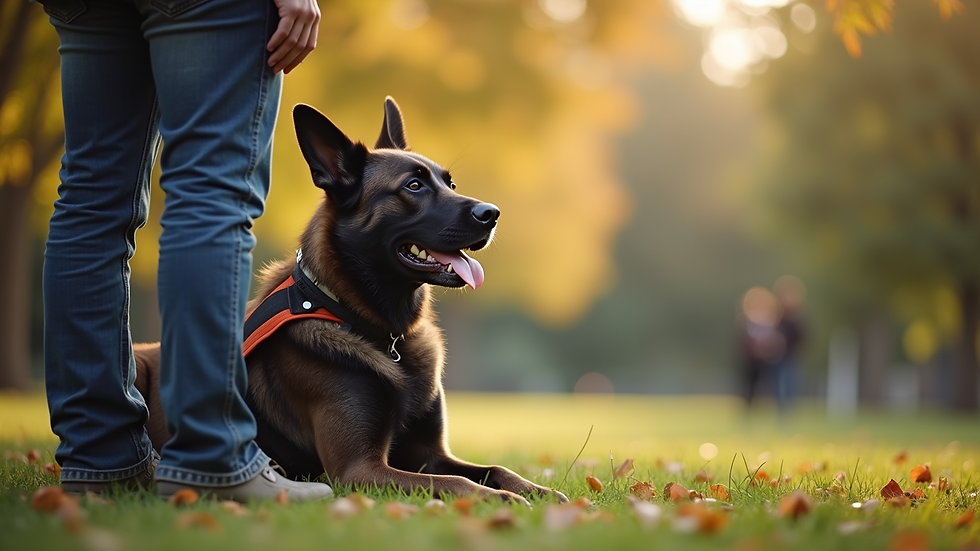
Service dogs are specially trained to assist people with PTSD in many ways. They are not just pets; they are partners who help manage symptoms and improve quality of life. These dogs can sense anxiety or panic attacks before they fully develop. When they do, they respond by grounding their handler, providing a calming presence, or even interrupting harmful behaviors.
For example, a service dog might nudge their handler during a flashback or remind them to take deep breaths. They can also create a physical barrier in crowded places, helping their handler feel safer. This kind of support is invaluable for those who struggle with triggers in public or social settings.
The bond between a service dog and their handler is built on trust and understanding. This connection helps reduce feelings of isolation and loneliness. Many people with PTSD find that their service dog becomes a source of emotional stability and motivation to engage more fully with life.

How Service Dogs Help with PTSD Support
Service dogs assist in several practical ways that make a real difference:
Anxiety and Panic Attack Prevention: Dogs can detect subtle changes in body language or scent that signal an oncoming panic attack. They alert their handler early, allowing time to use coping strategies.
Grounding Techniques: When a flashback or dissociative episode occurs, the dog can provide tactile stimulation by licking, nudging, or leaning against their handler. This helps bring the person back to the present moment.
Safety and Security: Service dogs can create a buffer zone in public, helping their handler feel protected. They may also guide their handler away from stressful situations.
Routine and Responsibility: Caring for a service dog encourages a daily routine, which can be therapeutic. The responsibility of looking after another living being fosters purpose and structure.
Social Interaction: Service dogs often attract positive attention, which can open doors for social engagement. This helps reduce isolation and builds confidence.
These benefits combine to improve mental health and overall well-being. The presence of a service dog can reduce the need for medication and lower the risk of self-harm or suicide.
Are PTSD Service Dogs Free?
One common question is whether PTSD service dogs come at a cost. The good news is that some organizations provide these dogs at no charge to eligible individuals. For example, Hounds for Heroes is a charity dedicated to supporting first responders and military veterans by providing highly trained service dogs for PTSD free of charge.
These programs cover the cost of training, veterinary care, and ongoing support. This is crucial because training a service dog can cost tens of thousands of dollars. By removing financial barriers, more people can access this life-changing support.
If you are interested in obtaining a service dog, it’s important to research reputable organizations. Look for groups that offer:
Comprehensive training tailored to PTSD needs
Ongoing support and follow-up
Clear eligibility criteria
Positive testimonials from recipients
Applying for a service dog usually involves an assessment process to ensure the match will be successful. Patience is key, but the reward is worth the wait!

How to Maximize the Benefits of a Service Dog
Having a service dog is just the beginning. To get the most out of this partnership, consider these tips:
Build a Strong Bond: Spend quality time with your dog outside of training. Play, walk, and relax together to deepen your connection.
Practice Commands Regularly: Consistent training helps your dog respond reliably in stressful situations.
Communicate Your Needs: Be clear about what support you need. Your dog learns best when you are consistent and patient.
Maintain Your Dog’s Health: Regular vet visits, proper nutrition, and exercise keep your dog happy and effective.
Seek Support Networks: Join groups or forums for people with service dogs. Sharing experiences can provide encouragement and advice.
Remember, your service dog is a partner. Treat them with kindness and respect, and they will be your loyal companion through every challenge.
The Impact of Service Dogs on Mental Health and Well-being
The positive effects of service dogs extend beyond immediate symptom relief. Many people report improved mood, increased confidence, and a greater sense of independence. Service dogs help break the cycle of fear and avoidance that often accompanies PTSD.
For first responders and military veterans, this support can be life-saving. The transition from active duty to civilian life is difficult, and PTSD symptoms can worsen without proper help. Service dogs provide a steady source of comfort and motivation to keep moving forward.
Sexual assault survivors also benefit greatly. The presence of a service dog can reduce hypervigilance and help rebuild trust in the world. This emotional support is a vital part of healing.
By lowering stress and promoting calm, service dogs contribute to better sleep, reduced depression, and fewer hospitalizations. They truly change lives for the better!

Taking the First Step Toward Support
If you or someone you know is struggling with PTSD, consider exploring the option of a service dog. Reach out to organizations like Hounds for Heroes to learn about eligibility and the application process.
Remember, you are not alone. There is a community ready to support you, and a loyal companion waiting to help you reclaim your life. Service dogs offer more than assistance - they offer hope, healing, and friendship.
Together, we can make a difference. Take that first step today and discover the incredible role of service dogs in PTSD support!


Comments