
PTSD Support with Service Dogs: Why Service Dogs Are Crucial for PTSD
Living with PTSD can feel overwhelming. The constant anxiety, flashbacks, and emotional struggles can make everyday life a challenge. But there is hope! One of the most powerful tools to help manage PTSD symptoms is the support of a service dog. These incredible animals provide more than companionship—they offer real, life-changing assistance.
How PTSD Support with Service Dogs Makes a Difference
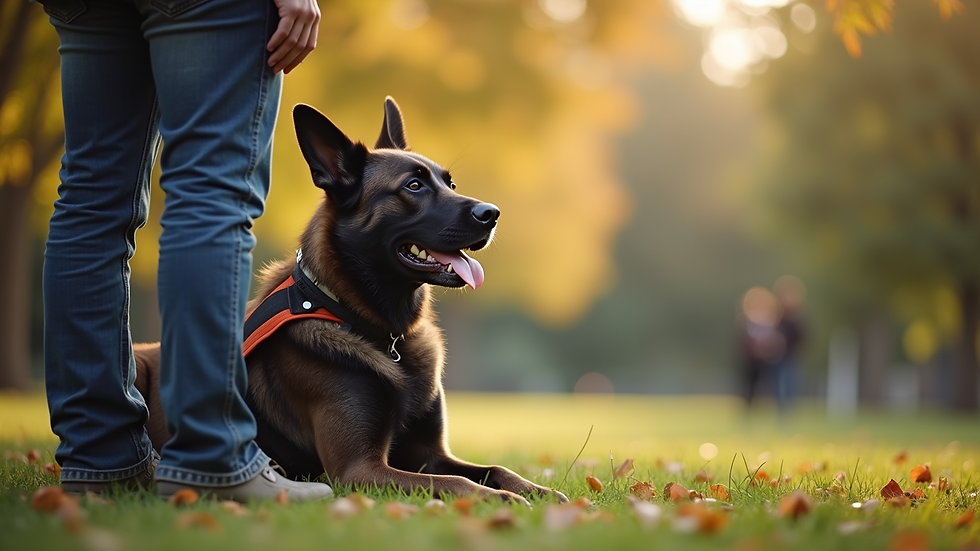
Service dogs are specially trained to assist people with PTSD in many ways. They help reduce anxiety, interrupt panic attacks, and provide a sense of safety. When a service dog is by your side, you’re never truly alone. Their presence alone can calm your nervous system and help you feel grounded.
For example, a service dog might gently nudge you during a flashback or remind you to take deep breaths when anxiety spikes. They can also create a physical barrier in crowded places, giving you personal space and reducing stress. These dogs are trained to recognize signs of distress and respond immediately, which can prevent symptoms from escalating.

The Unique Role of Service Dogs in PTSD Support with Service Dogs
Service dogs do more than just comfort—they perform specific tasks tailored to PTSD symptoms. These tasks include:
Deep Pressure Therapy: The dog applies gentle pressure to help reduce anxiety.
Room Searches: The dog checks a room before the person enters, helping reduce fear of unknown environments.
Wake-Up Calls: The dog can wake their handler from nightmares.
Crowd Control: The dog creates a buffer zone in public spaces.
These tasks are not just helpful—they can be lifesaving. The bond between handler and dog grows strong, creating a partnership built on trust and mutual support.
The Science Behind Service Dogs and PTSD Healing
Research shows that service dogs can significantly improve the quality of life for people with PTSD. Their presence lowers cortisol levels, the hormone linked to stress. This biological effect helps reduce symptoms like hypervigilance and panic attacks.
Moreover, service dogs encourage physical activity and social interaction. Walking a dog daily promotes exercise, which is known to improve mental health. Dogs also act as social bridges, making it easier to connect with others and reduce feelings of isolation.

How to Access Service Dogs for PTSD
If you or someone you know is struggling with PTSD, finding a service dog can be a game-changer. Organizations like Hounds for Heroes provide highly trained service dogs at no cost to first responders and military veterans. This support is vital because it removes financial barriers and ensures that those who need help most can get it.
To start the process, it’s important to:
Consult with a healthcare provider to confirm PTSD diagnosis and discuss service dog suitability.
Reach out to reputable service dog organizations that specialize in PTSD support.
Prepare for training and bonding time with the dog, which is essential for a successful partnership.
Remember, a service dog is not just a pet—they are a dedicated partner trained to help you live a fuller, safer life.
Embracing a Brighter Future with Service Dogs
Living with PTSD is tough, but service dogs offer a path to healing and hope. Their unwavering support can help reduce symptoms, increase independence, and improve overall well-being. If you’re ready to explore this option, know that help is available and you don’t have to face PTSD alone.
For more information on how service dogs can help, check out service dogs for ptsd and discover how these amazing animals can change lives.
Together, we can build a future where PTSD no longer controls your life. Service dogs are here to help you take that first step toward peace and recovery!


Comments