
The Benefits of Service Dogs: The Role of Service Dogs in PTSD Care
Living with PTSD can feel overwhelming. The constant anxiety, flashbacks, and emotional struggles make daily life a challenge. But there is hope! Service dogs have become a powerful support system for many people dealing with PTSD. These amazing animals provide comfort, safety, and companionship that can transform lives.
Understanding PTSD and Its Challenges
Post-Traumatic Stress Disorder (PTSD) affects many people who have experienced traumatic events. This includes first responders, military veterans, and survivors of sexual assault. PTSD symptoms can include nightmares, panic attacks, hypervigilance, and emotional numbness. These symptoms often interfere with work, relationships, and overall well-being.
Living with PTSD means facing triggers that can cause sudden distress. Everyday situations might feel unsafe or overwhelming. This is where service dogs step in to help. They are trained to recognize signs of distress and respond in ways that ease symptoms and provide reassurance.
The Benefits of Service Dogs in PTSD Care
Service dogs offer more than just companionship. They provide practical and emotional support that can improve quality of life. Here are some key benefits:
Emotional Support: Service dogs offer unconditional love and comfort. Their presence alone can reduce feelings of loneliness and depression.
Anxiety Reduction: These dogs are trained to sense anxiety or panic attacks. They can nudge, lick, or lean on their handler to help ground them in the moment.
Safety and Security: Service dogs can alert their handler to potential dangers or help create a safe space in crowded or triggering environments.
Routine and Responsibility: Caring for a service dog encourages a daily routine, which can be grounding and healing.
Social Connection: Walking or being with a service dog often opens doors to social interaction, reducing isolation.
These benefits combine to create a strong support system that helps individuals manage PTSD symptoms more effectively.
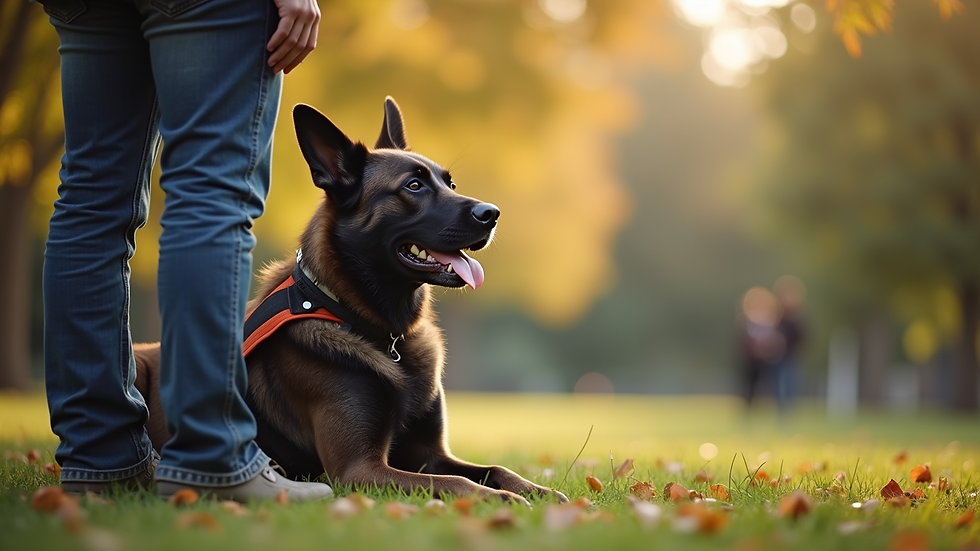
How Service Dogs Are Trained to Assist
Training a service dog for PTSD care is a detailed and careful process. These dogs learn specific tasks tailored to the needs of their handler. Some common tasks include:
Interrupting Anxiety Episodes: The dog can recognize signs of an oncoming panic attack and interrupt it by nudging or pawing.
Creating Personal Space: In crowded places, the dog can position itself to block others, helping the handler feel safer.
Grounding Techniques: The dog can provide deep pressure therapy by leaning against the handler during moments of distress.
Nightmare Interruption: If the handler experiences nightmares, the dog can wake them gently.
Medication Reminders: Some dogs are trained to remind their handler to take medication on time.
Training focuses on reliability and calm behavior in various environments. This ensures the dog can provide consistent support wherever the handler goes.
Real-Life Impact: Stories of Hope and Healing
Many people have shared how service dogs changed their lives. For example, a military veteran might describe how their dog helps them leave the house without fear. The dog’s presence reduces anxiety and provides a sense of safety. Another person might explain how their service dog helps interrupt panic attacks before they escalate.
These stories highlight the deep bond between handler and dog. The partnership is built on trust, love, and mutual support. It’s inspiring to see how service dogs empower people to reclaim their lives.
If you want to learn more about how service dogs help veterans with PTSD, this resource offers detailed insights and personal accounts.

How to Get a Service Dog for PTSD
Getting a service dog involves several steps. It’s important to work with reputable organizations that specialize in training dogs for PTSD support. Here’s a general guide:
Assessment: A professional evaluates your needs and suitability for a service dog.
Matching: You are matched with a dog whose temperament and skills fit your lifestyle.
Training: Both you and the dog undergo training to build a strong working relationship.
Certification: The dog is certified as a service animal, allowing access to public places.
Ongoing Support: Many organizations provide follow-up training and support to ensure success.
Organizations like Hounds for Heroes provide service dogs at no cost to eligible individuals. This support is vital in making service dogs accessible to those who need them most.
Supporting the Mission: How You Can Help
The impact of service dogs in PTSD care is profound. But expanding this support requires community involvement. Here are ways you can contribute:
Donate: Financial support helps train more service dogs and provide them free to those in need.
Volunteer: Many organizations need help with dog training, events, and outreach.
Spread Awareness: Share information about the benefits of service dogs and the challenges faced by those with PTSD.
Advocate: Support policies that recognize and protect the rights of service dog handlers.
Together, we can help more people experience the healing power of service dogs.
Embracing a Brighter Future with Service Dogs
Service dogs are more than helpers - they are lifelines. Their role in PTSD care is transforming lives by offering hope, healing, and independence. If you or someone you know is struggling with PTSD, consider the incredible benefits a service dog can bring.
With love, training, and support, these dogs help turn the page to a new chapter filled with strength and resilience. The journey may be challenging, but with a service dog by your side, it becomes a path of courage and companionship!
Let’s celebrate the amazing bond between humans and service dogs and continue to support this vital mission!


Comments